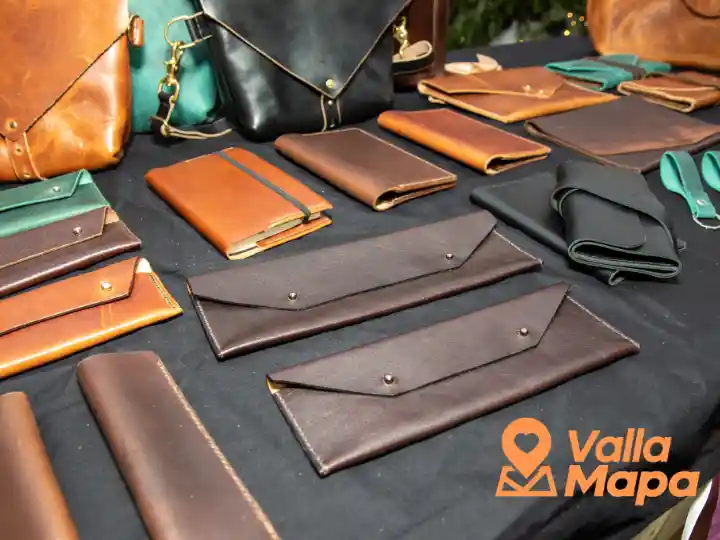
Short answer: Valladolid is a useful place to browse footwear and craft goods, but “sold locally” does not prove that an item was made in Valladolid, made by hand or made from genuine leather. Ask about provenance before buying.
Leatherwork in Yucatán
INAH’s publication on Yucatecan leather workers connects talabartería with livestock, agricultural work and later tourism. That history is more complex than a simple colonial craft story.
Official tourism sources describe Mercado Artesanal Zací as a place for regional crafts. CULTUR also lists Mercado Zací. These listings do not guarantee that every sandal, belt or bag is locally made or leather.
Questions to ask the seller
- Who made the item?
- Was it produced in Valladolid, elsewhere in Yucatán or another state?
- Is it genuine leather, synthetic material or a mixture?
- Is the work handmade, machine-assisted or factory produced?
- What care does the maker recommend?
Stitching, smell or thickness alone cannot prove origin or material. A clear answer from the seller is more useful than a visual guess.
For a wider craft route, see Centro Artesanal Zací and the VallaMapa English map.
Frequently asked questions
Does buying in Valladolid always support a Valladolid artisan?
No. Ask who made the item and where it was produced.
Can I identify genuine leather by appearance?
Not reliably. Request the material description from the seller or maker.
Should I negotiate?
Ask politely whether the price is fixed. Do not assume bargaining is expected.
Last reviewed: July 24, 2026.