Short answer: Valladolid sits in a limestone karst landscape where cenotes and cavities occur, but regional geology does not prove that a specific house has a cenote beneath it. Buying, building or restoring requires site-specific observation and, when the project or warning signs justify it, geotechnical and structural evaluation.
Reviewed July 24, 2026. This guide explains questions to ask; it does not diagnose a property.
Why cenotes occur in Yucatán
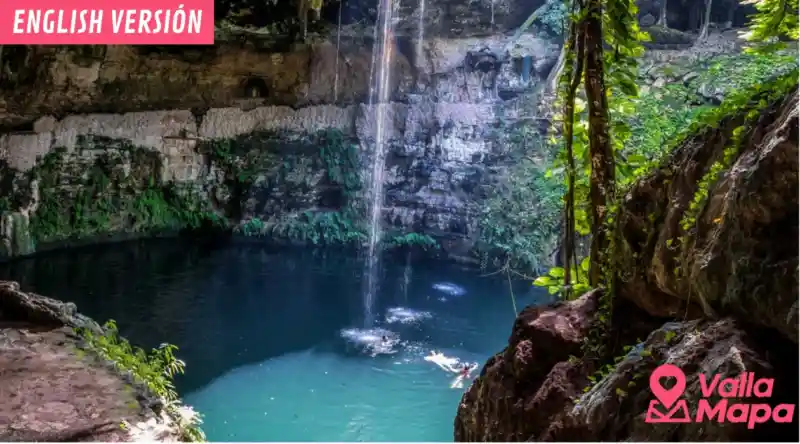
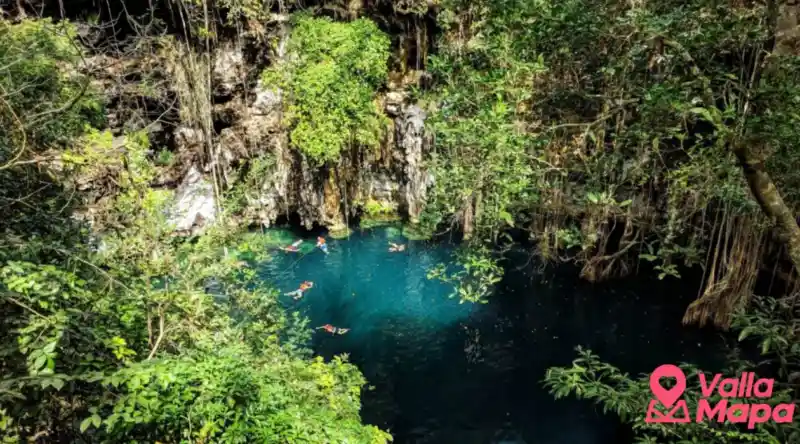
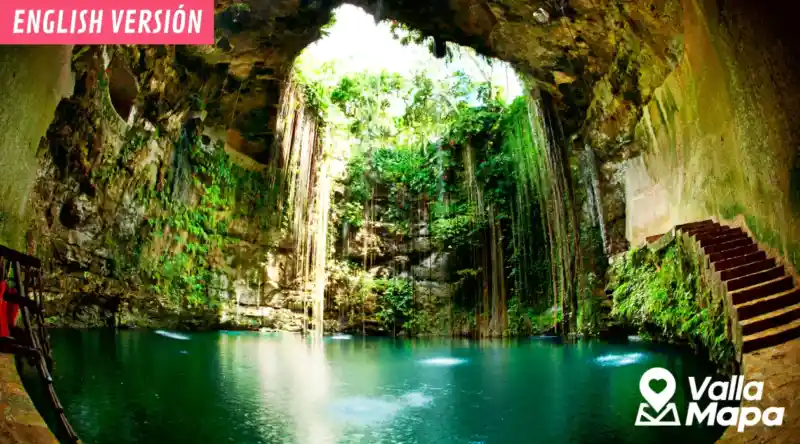
Mexico's National Institute of Indigenous Peoples explains Yucatán's permeable limestone and cenote formation: water dissolves the rock, caves form and a collapsed roof can expose the water below.
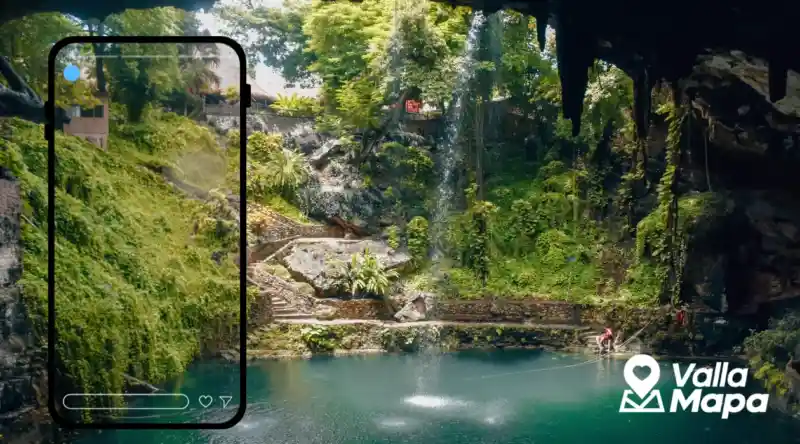
Cenote Zací is a public example inside Valladolid. It confirms the city's relationship with karst and water; it cannot be used to predict a cavity on another lot.
What architecture can reveal
Courtyards, drains, wells, thick walls and ventilation are part of Valladolid's built environment, but not every feature was designed around a cenote. On a specific property, observe:
- Persistent damp areas and routes taken by rainwater.
- Cracks, settlement or repeated patching.
- Depressions, filled openings, wells or unexplained level changes.
- Changes in flooring or masonry.
- Locations of trees, wastewater systems and additions.
- Access for inspection and future repair.
One crack does not prove a cavity, and fresh finishes do not prove that movement or moisture was corrected.
A property-specific process
- Compare the survey, title description and physical boundaries.
- Walk roofs, patios and edges, preferably after ordinary rain.
- Ask about wells, excavation, fill, flooding and structural repairs.
- Obtain a geotechnical assessment when excavation, a pool, new loads, warning signs or uncertainty make it appropriate.
- Have a structural professional connect ground findings to the proposed building work.
- Confirm environmental, safety and heritage requirements before opening, filling or modifying any feature.
The investigation should answer the project's questions. A generic regional soil statement is not a foundation recommendation.
Renovation and drainage
Trace water before sealing surfaces. Redirecting rain without a complete drainage plan can move moisture into another wall or neighboring property.
Historic properties may also need INAH review depending on status, location and scope. The INAH work authorization page identifies routes for archaeological zones and work involving historic monuments or adjacent properties.
Use VallaMapa for local context, then compare real inventory through houses for sale in Valladolid and request property-specific evidence before deciding.
FAQ
Does every Valladolid house have a cenote underneath?
No. Karst geology means cavities occur in the region, not beneath every lot.
Does a crack prove there is a cenote?
No. Cracks have many possible causes and need context and qualified evaluation.
When should a buyer request a geotechnical study?
When the planned loads or excavation, visible signs, known features or uncertainty justify one. The scope should match the property and project.
Can I open or fill a suspected cavity?
Do not do so without first identifying the feature and obtaining the technical, safety, environmental and legal advice that applies.