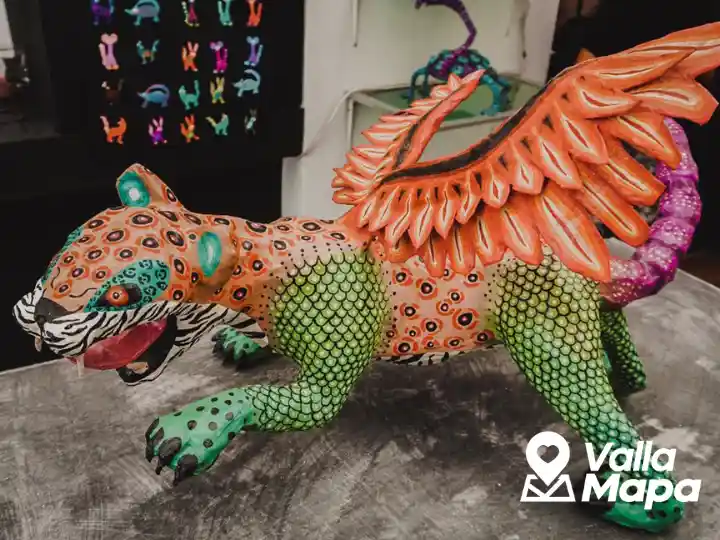
Short answer: Art in Yucatán includes Maya and regional textile traditions, pottery, painting, murals, performance and contemporary practice. Near Valladolid, provenance matters more than a souvenir label: ask who made a piece, where and by which technique.
Last reviewed: July 24, 2026. Confirm gallery and workshop hours.
What visitors may encounter
| Form | Useful question |
|---|---|
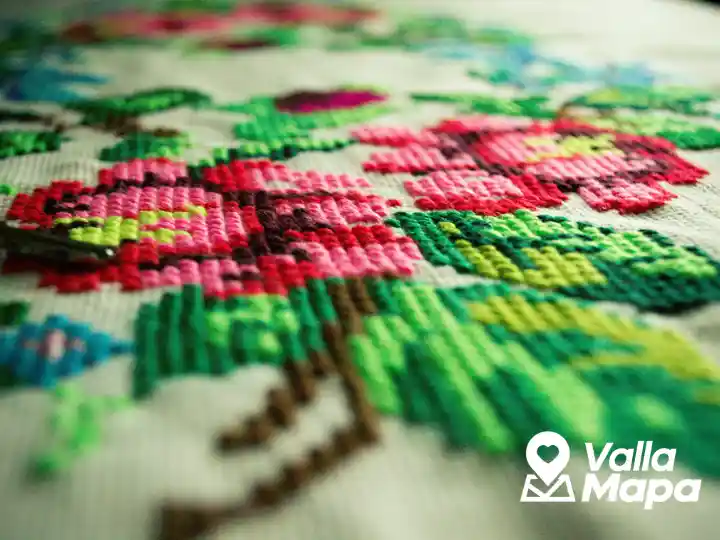
| Textiles | Is it hand embroidered, machine embroidered or printed? |
| Pottery | Who made it and where was it fired? |
| Painting | Is it an original, edition or reproduction? |
| Leather | Was it made locally or only sold here? |
| Murals | Who is the artist and may it be photographed? |
| Performance | Is the event public and may visitors record it? |
“Made in Yucatán,” “made near Valladolid” and “sold in Valladolid” are not interchangeable.
Where to begin
Use VallaMapa culture guides for context, then verify a gallery, studio, market or cultural programme directly. Nearby towns may have workshops, but do not arrive at a private home expecting a demonstration.
For pottery, read the Uayma potter guide. For leather, see handmade leather crafts.
Buying respectfully
- Ask the price without aggressive bargaining.
- Ask whether payment goes to the maker or a reseller.
- Agree in writing on commissions, size, materials, deadline and delivery.
- Request permission before photographing an artist or process.
- Do not describe all regional work as “Maya art” without the maker’s own identification.
Frequently asked questions
Is all art sold in Valladolid made locally?
No. Ask who made it and where.
Can I visit an artist’s workshop?
Only when it is publicly open or you have an appointment.
Is traditional art separate from contemporary art?
Not always. Artists may preserve, adapt or challenge regional forms.
Can I take photographs?
Ask first, especially in studios, ceremonies and performances.